Rouken Glen


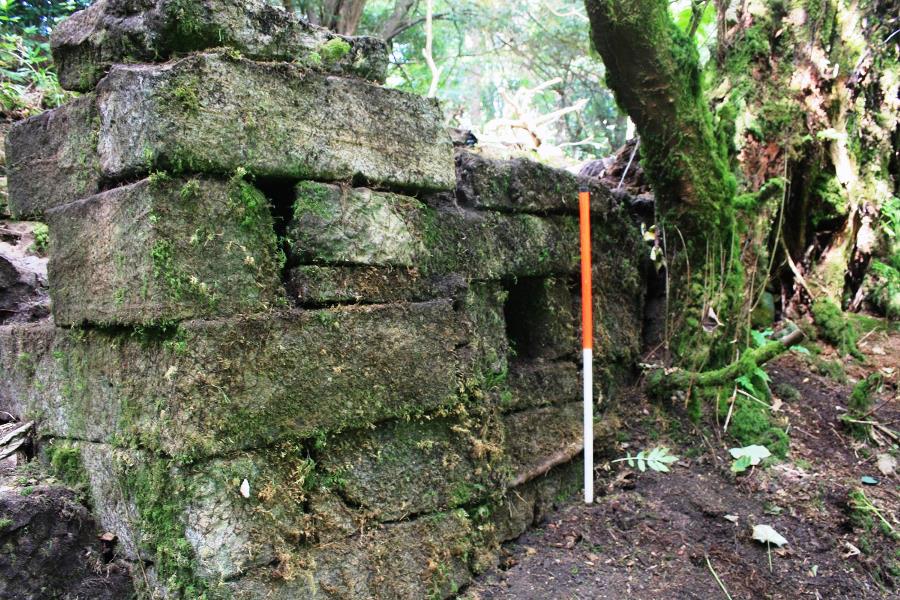



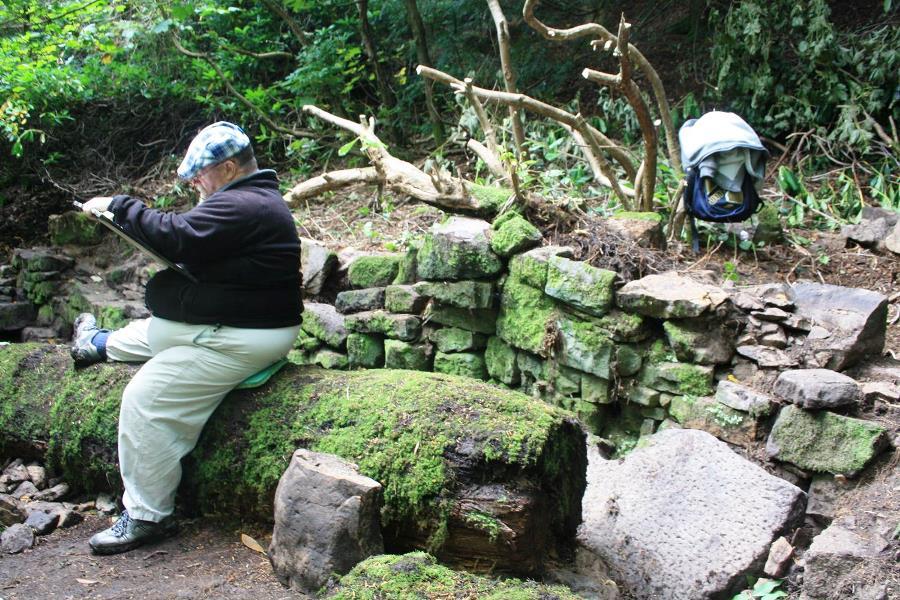


ACFA had a strong presence at the launch of Dig It! 2015, the year of Scottish Archaeology, on Saturday March 15 at Rouken Glen Park. Our stall attracted a lot of interest and committee members and other ACFA members had a great opportunity to network with a wide range of Scottish archaeology groups as well as talking to members of the public about our work. Highlights of the day included demonstrations of kite aerial photography and a medieval re-enactment group.
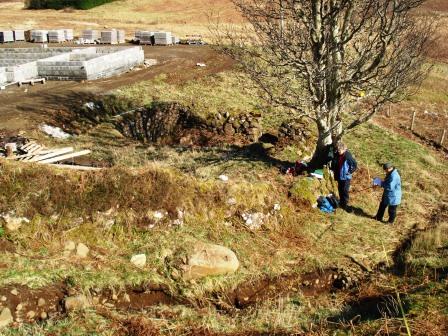
ACFA members led a walk-over of the archaeology of the park followed in the afternoon by a training session introducing a group of volunteers to the joy of field survey which was an authentic ACFA experience conducted in the teeth of a howling gale and threatening rain. On Sunday Ian Marshall, Susan Hunter and Janie Munro returned to the park to ‘reccie’ sites for future surveying as part of the Rouken Glen Adopt-a-Monument project.
A new field trip is being considered for September to the island of Tiree. Archaeology on Tiree includes Dun Mor Vaul, duns, standing stones and a stone circle, medieval chapel ruins and cross stones, kelp and corn kilns, and accommodation will be in the Category A listed lighthouse establishment built for the construction and servicing of Skerryvore lighthouse. This trip is only open to members and associate members, and full details can be found in the Members’ Area.
Last year ACFA took part in the public consultation on the draft Historic Environment Strategy for Scotland and the Outline Business case for the merger between Historic Scotland and RCAHMS. Our written submission can be found in the Members’ Area.
The new strategy that emerged from the consultations and further discussions has just been published. The intention is to ensure that Scotland’s Historic Environment is cared for, valued and protected in a sustainable way. The strategy can be found at www.scotland.gov.uk/Publications/2014/03/8522 .
The Historic Environment Bill to create a new Non-Departmental Public Body, Historic Environment Scotland, has been laid before the Scottish Parliament and can be found at www.scottish.parliament.uk/parliamentarybusiness/Bills/73219.aspx .
ACFA members are taking part in a new archaeology project based in Rouken Glen Park on the southside of Glasgow. The project will kick off with a training weekend for community volunteers on March 15 and 16. A group of ACFA members will help tutor the volunteers in learning to recognise features in the landscape with a guided walk-over of the park and continuing with an introduction to surveying.
The Saturday will also see the launch of Dig It Archaeology Year 2015.
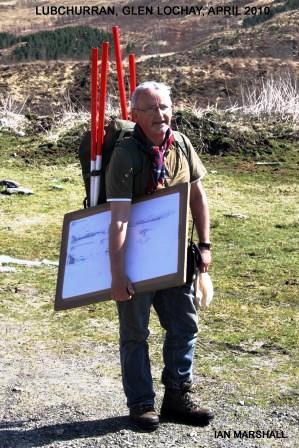
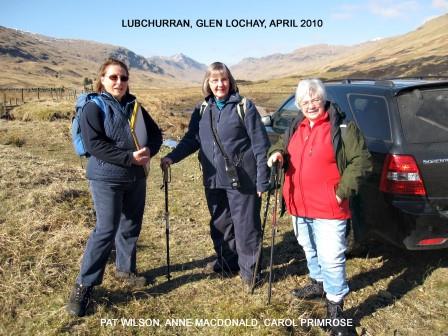
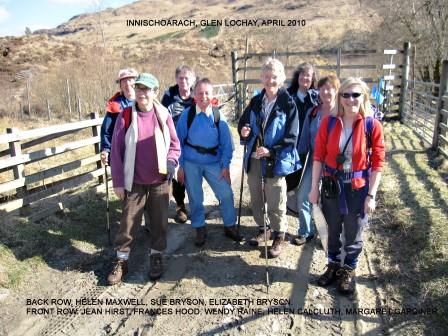
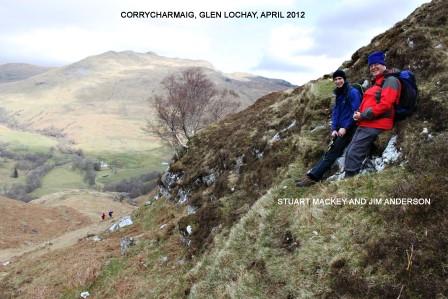
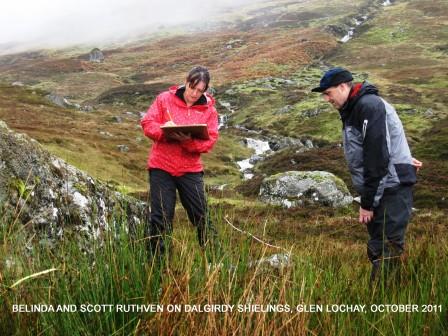
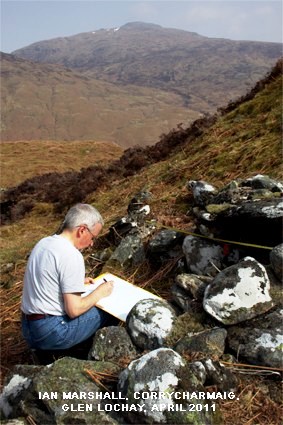
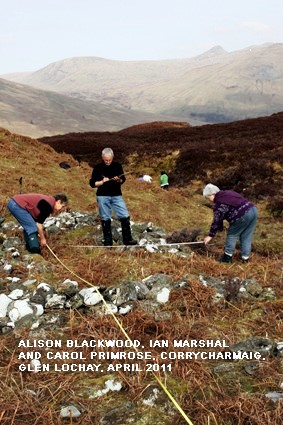
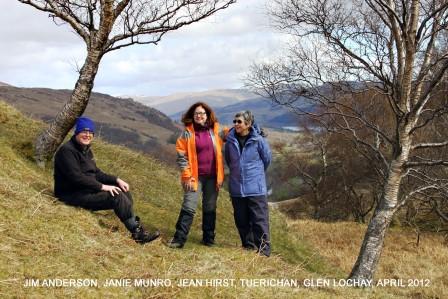
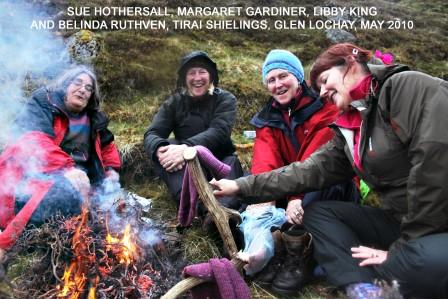
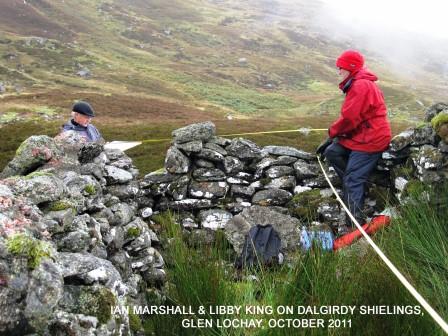
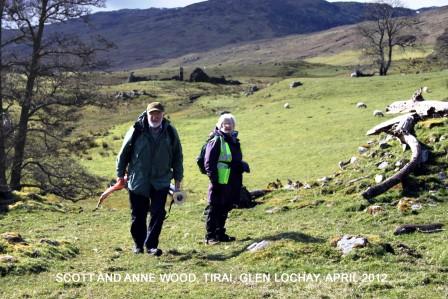
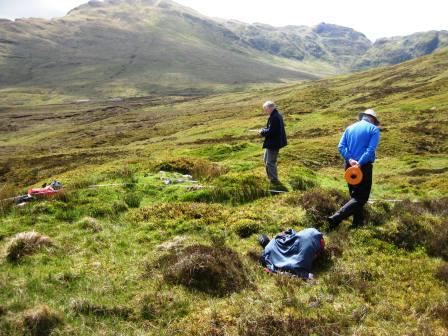
Glen Lochay survey dates for March to June have been announced. They are: March 23, March 30, April 6, April 13, May 4, and May 11. All dates are Sundays. A camping weekend is also planned. More details can be found in the Members’ Area.
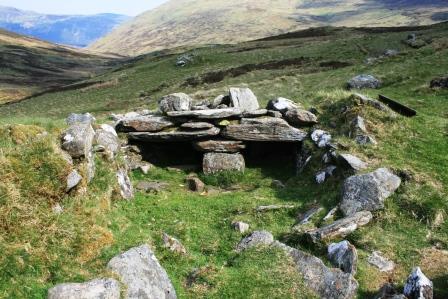
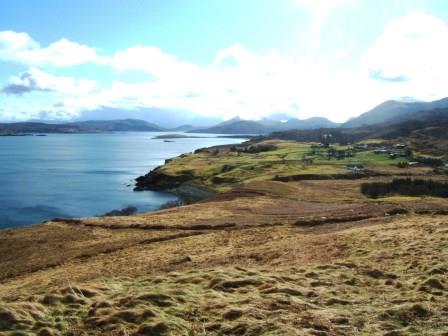
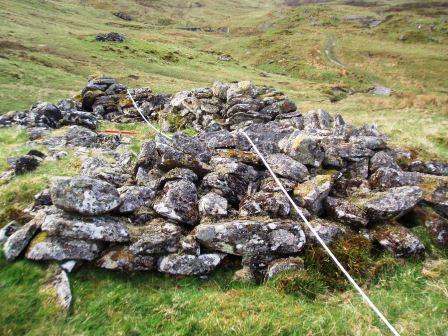
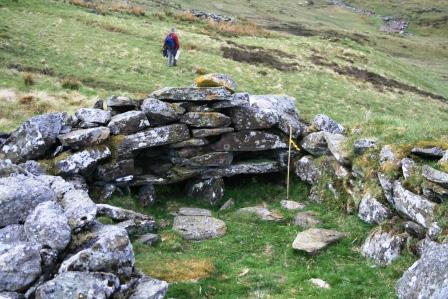
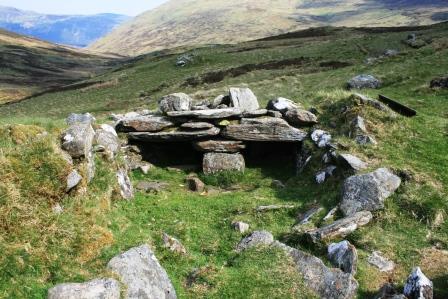
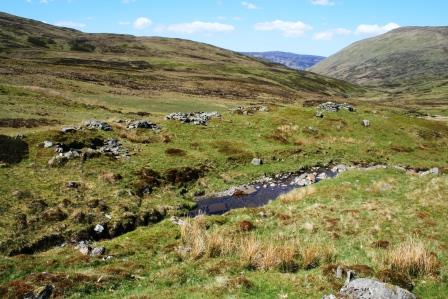
The shieling grounds of An Riol lie southwest of Ben Lawers, west of Lochan na Lairige and north and northwest of the Tarmachan Ridge. The site is a huge amphitheatre which measures over 2kms north-south and around 1.50kms east-west. Archives found within the Breadalbane Muniments record that An Riol has been leased for shieling since the early 15th Century and it may have existed before this. Fortunately the archives give a useful insight into how the shieling grounds were leased and used.
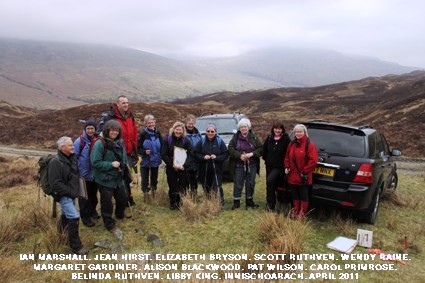
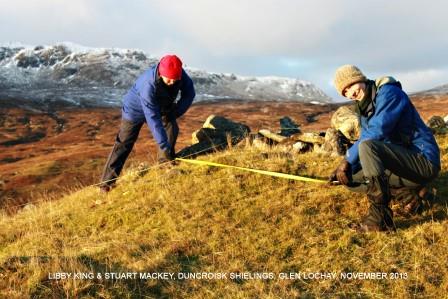
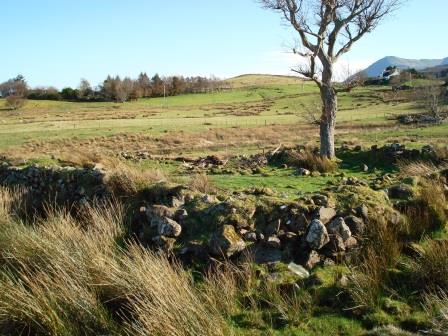
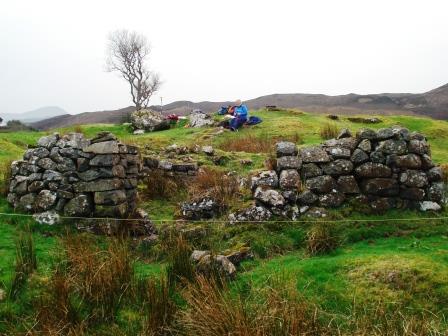
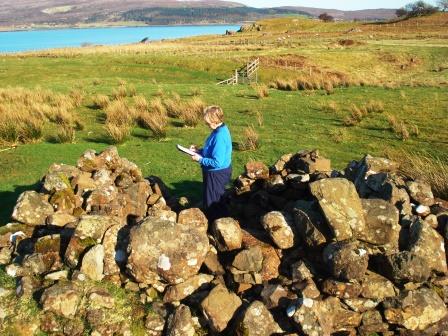
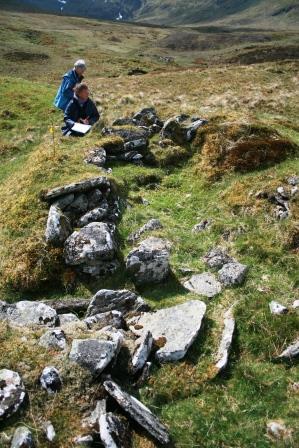
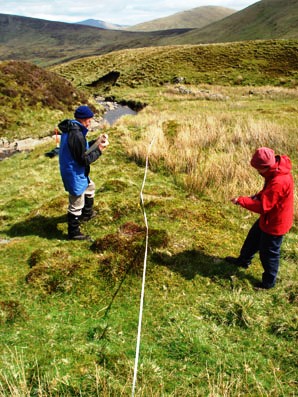
The survey, which involved almost 30 ACFA volunteers, was carried out over 3 weekends in 2008 and 2009. The report was published as ACFA Occasional Paper No 103 in 2010. During the survey just under 300 features were recorded, comprising enclosures (including a well-preserved poindfold), dairy stores, byres and shieling huts. Some of the remains are seen now as faint circular banks under the grass but some are clearly much later and are rectangular stone structures standing in some cases to 5 or 6 courses.
The record tells us that by the second half of the 18th Century the shielings were being used for grazing beef cattle and sheep and by 1821 the lease was taken away from the surrounding townships and given to 1 sheep farmer from the north of England who ran it as an enormous sheep run.
Nowadays there continue to be a few sheep grazed here in the summer and some shooting and stalking takes place in the autumn. This beautiful and evocative site is well worth a visit and is easily accessible from the un-numbered road which goes between North Loch Tayside and Bridge of Balgie which runs right through the shieling grounds – easy for most of the year but not for the faint-hearted in winter.
Survey Director – Anne Macdonald