Photo Competition 2016
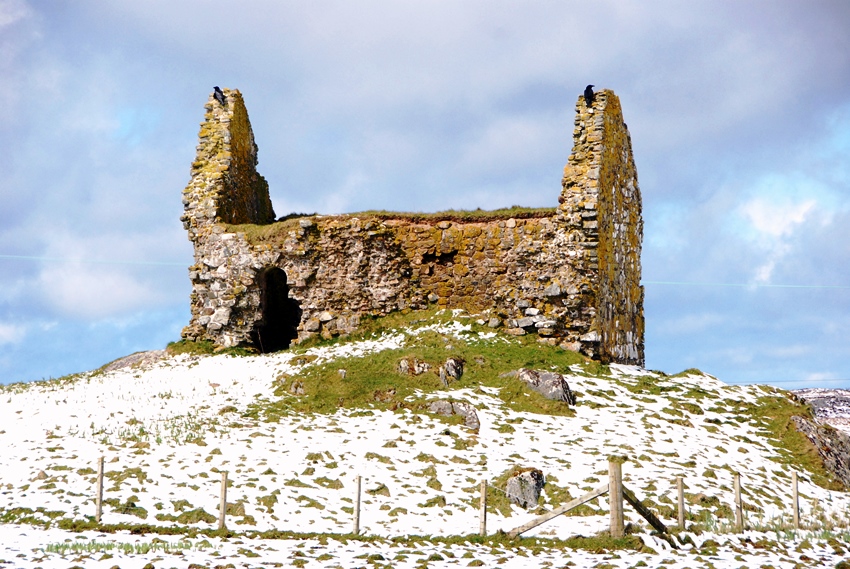
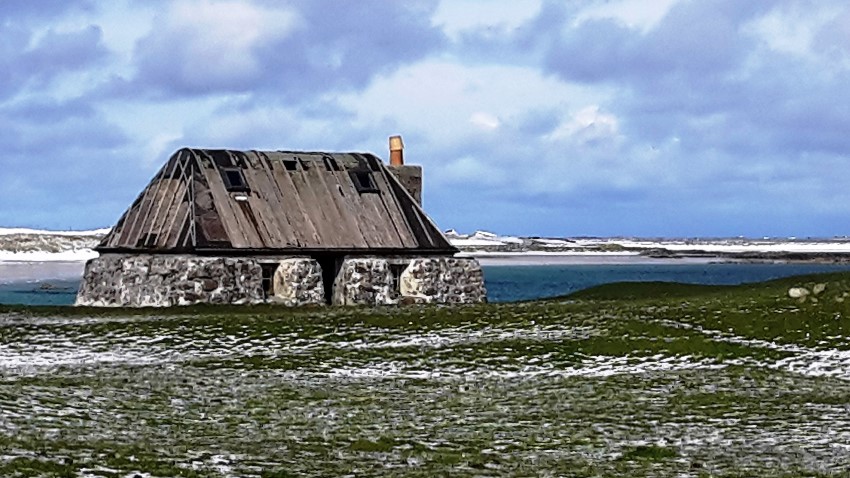
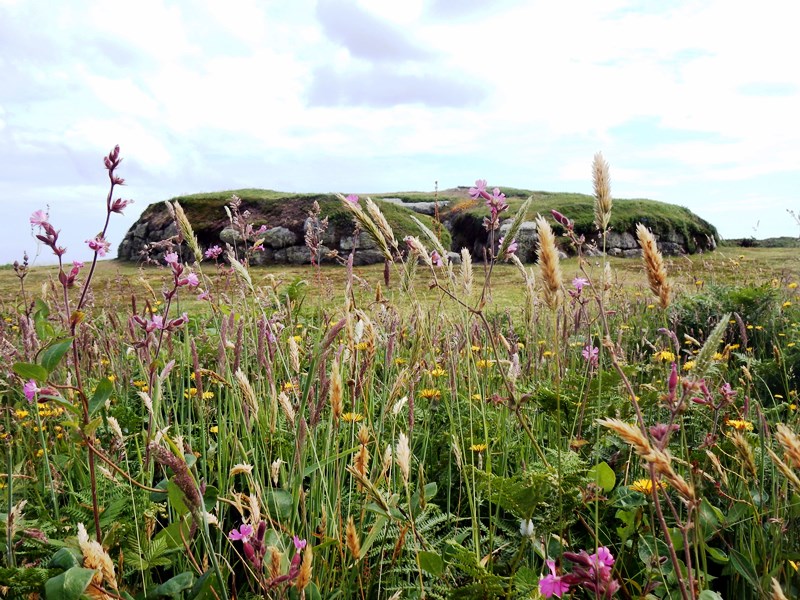
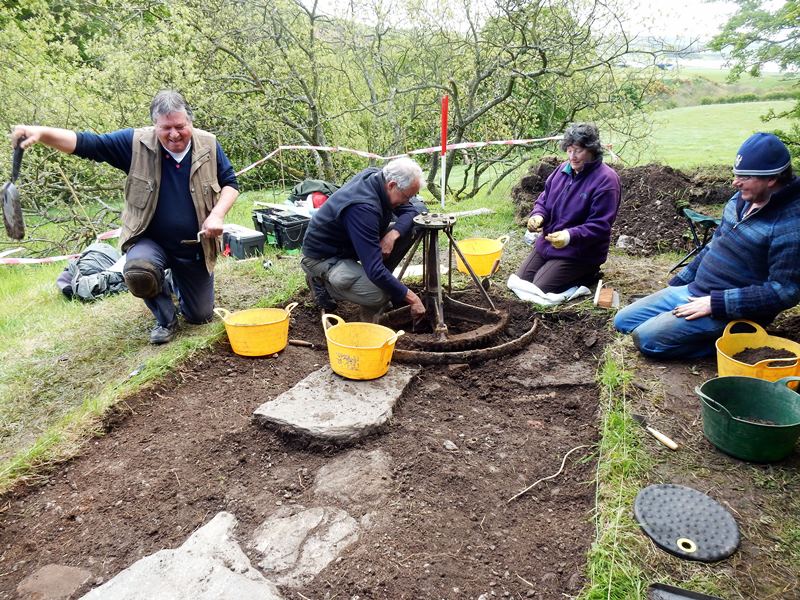

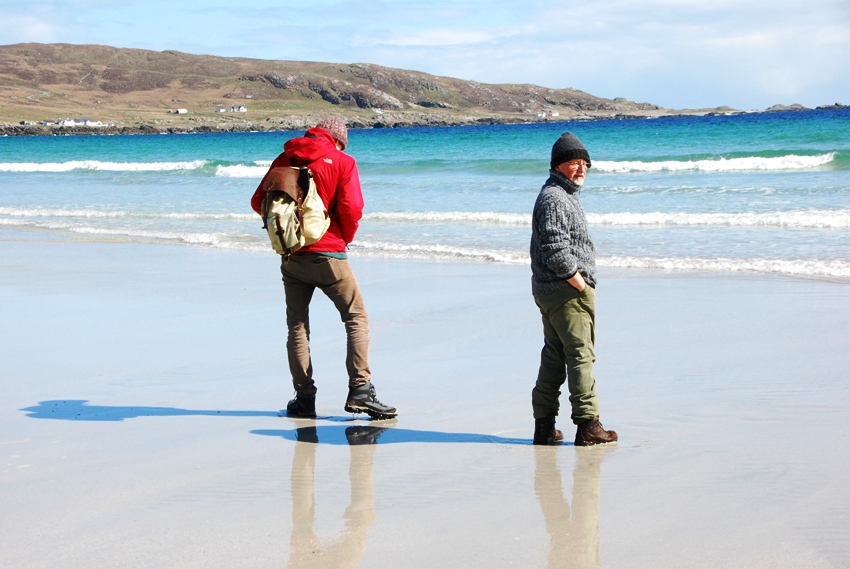

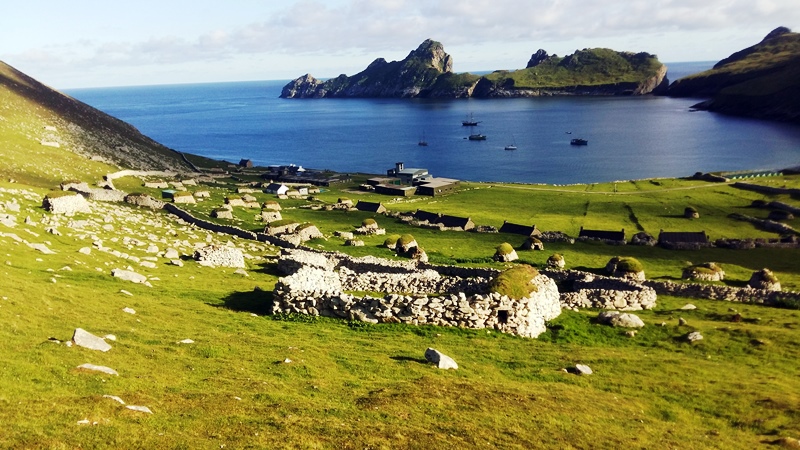


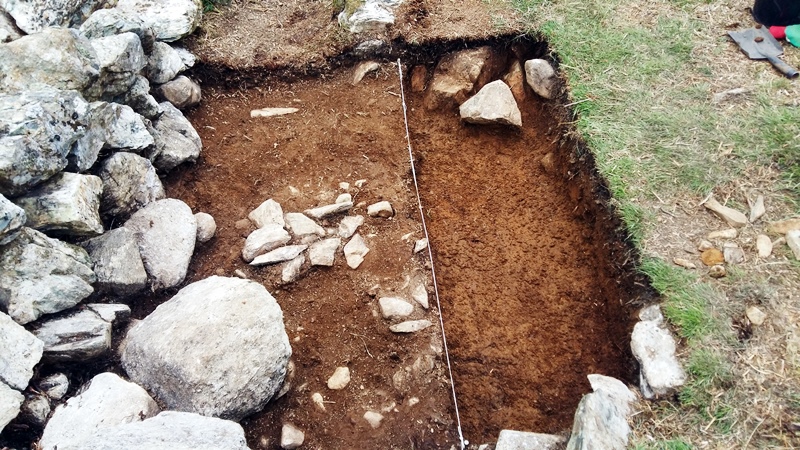
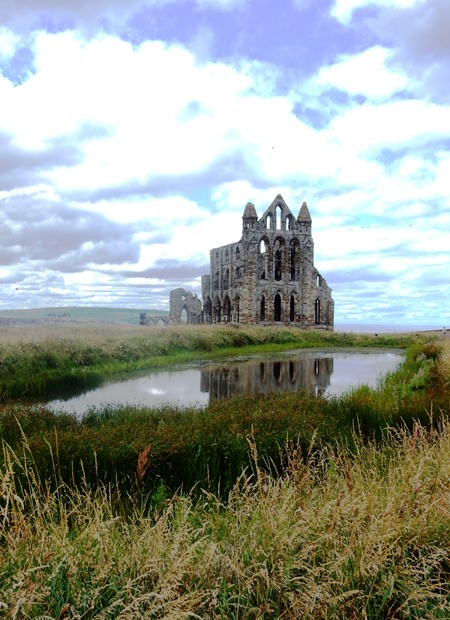
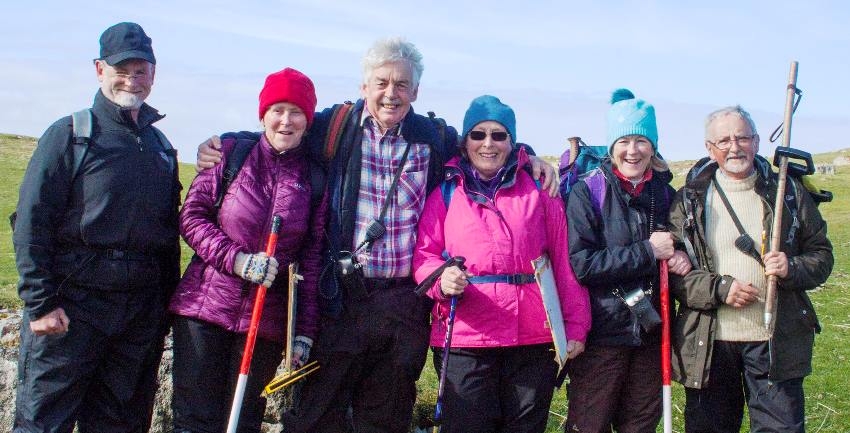
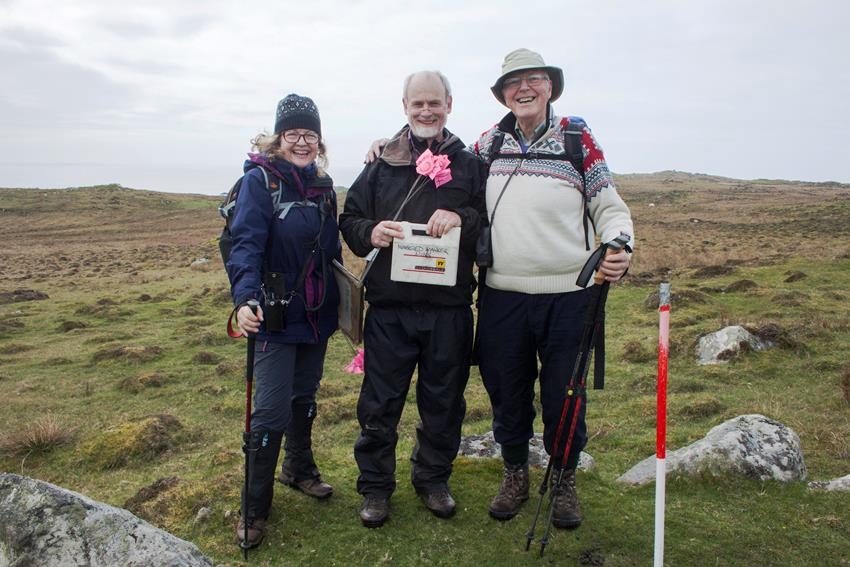
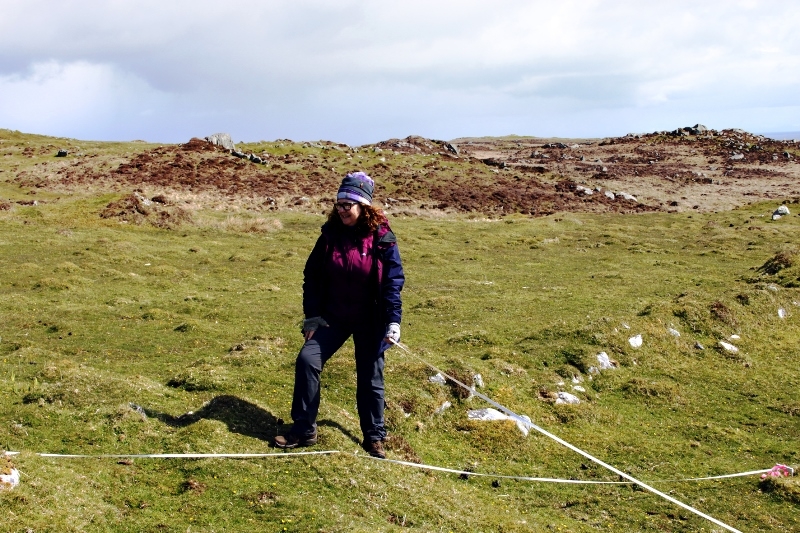
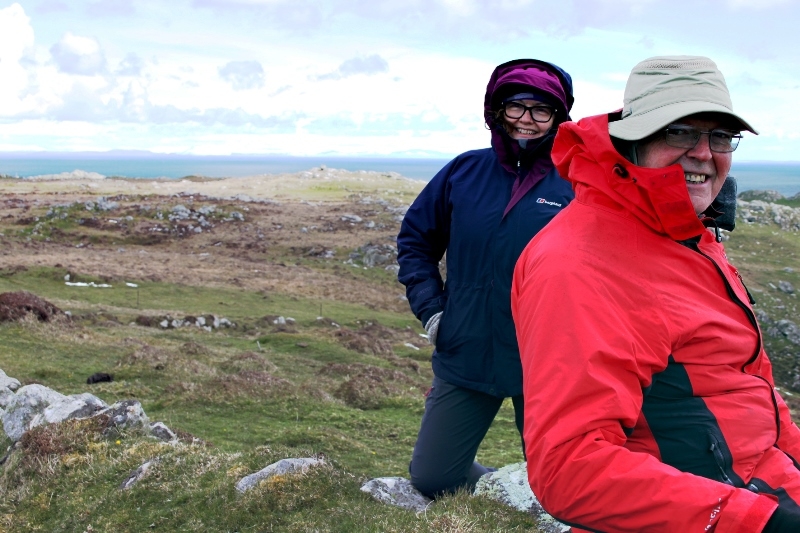
The recent ACFA Tiree Survey was anything but uneventful – yet the outcomes were impressive.
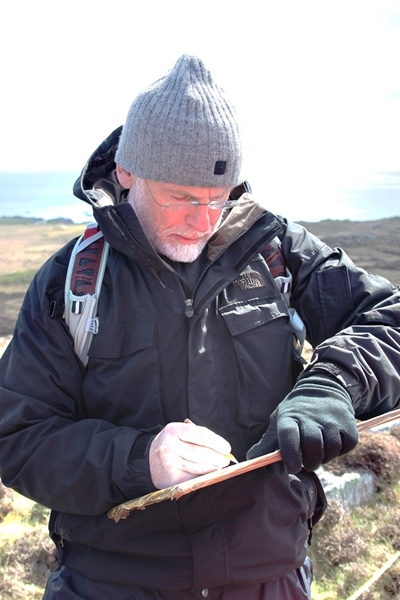
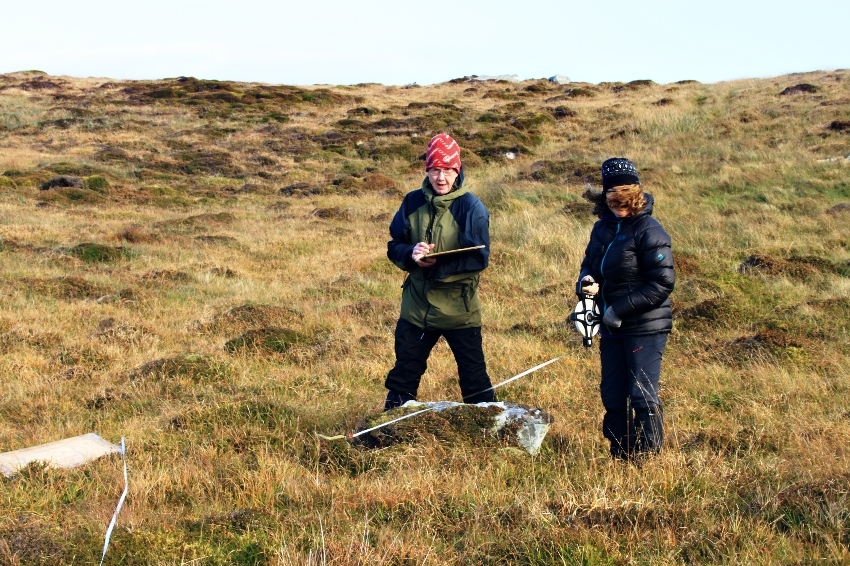
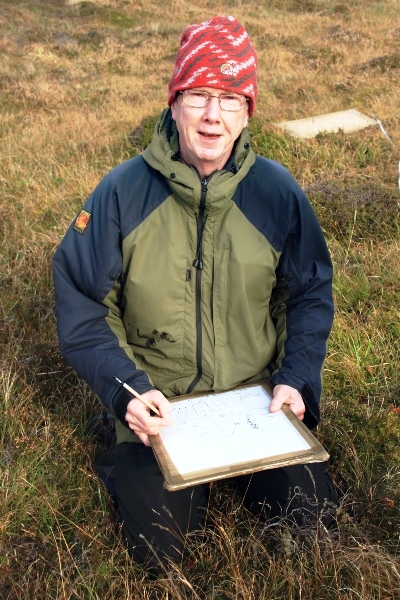
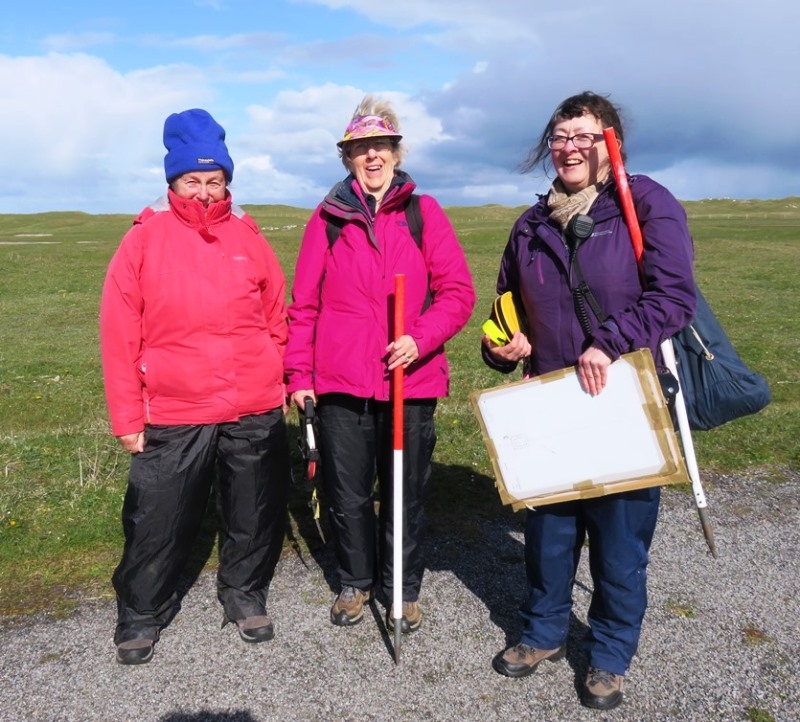
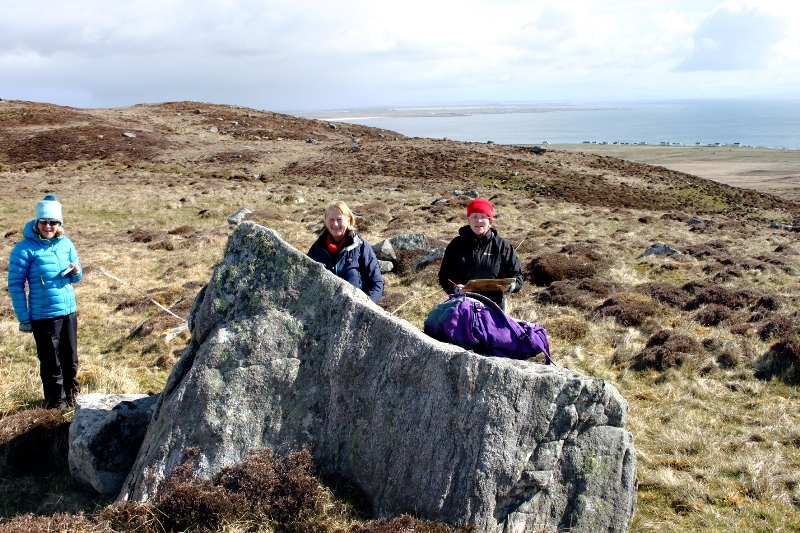
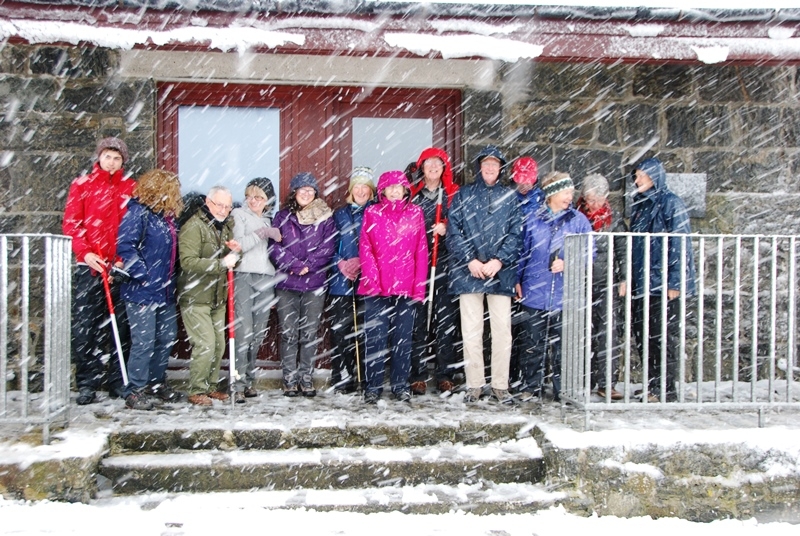
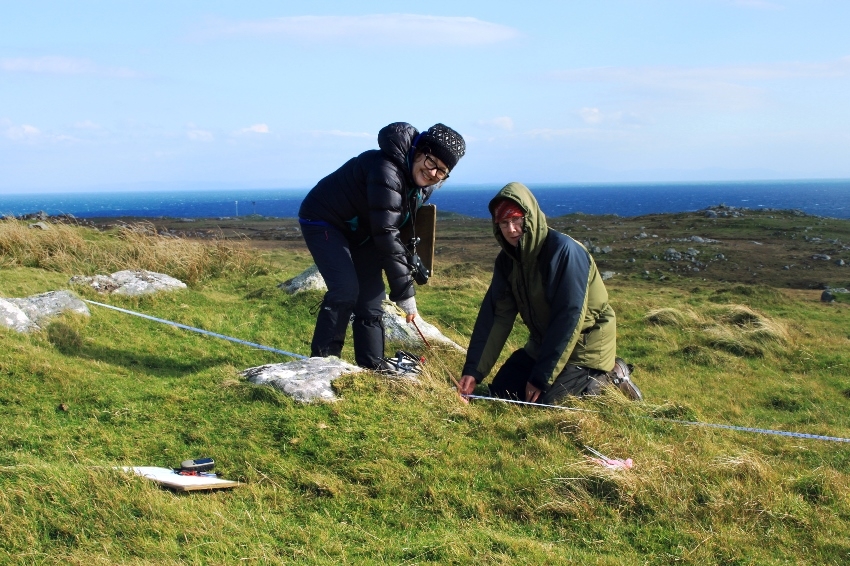
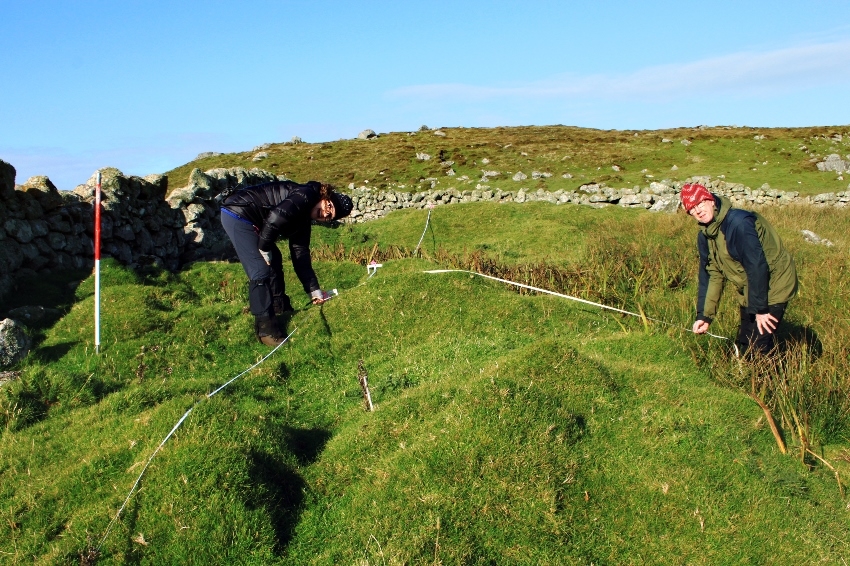
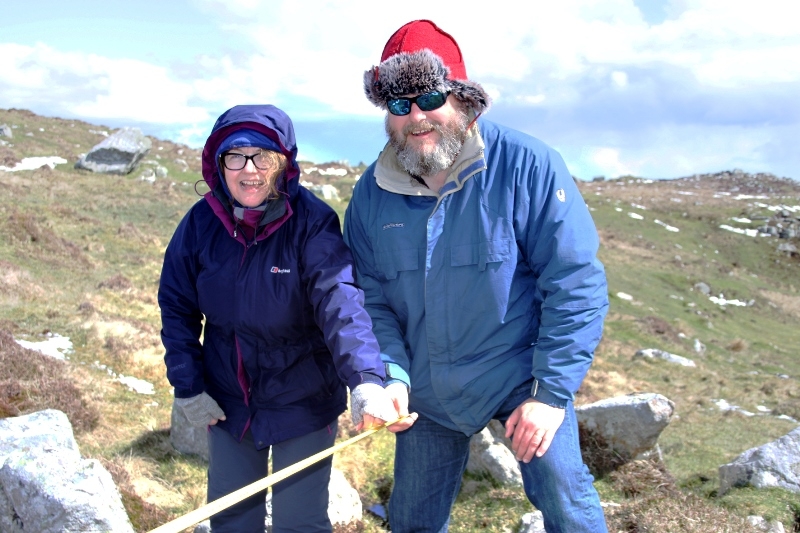
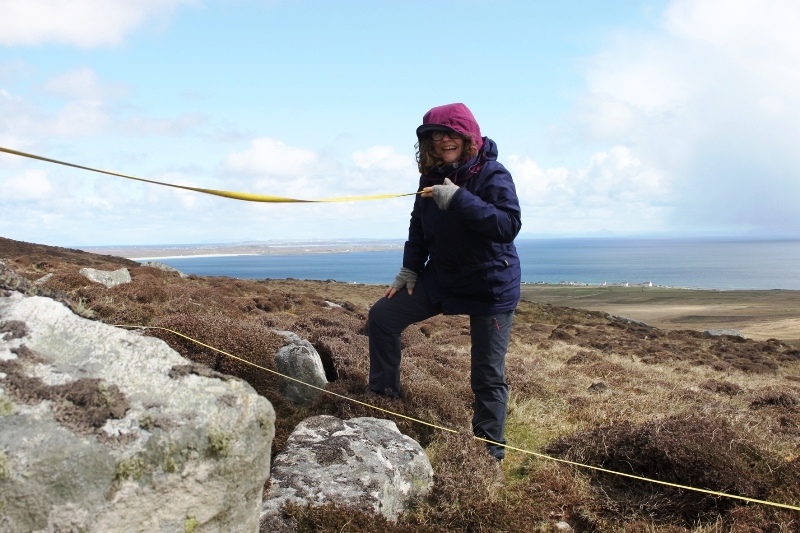
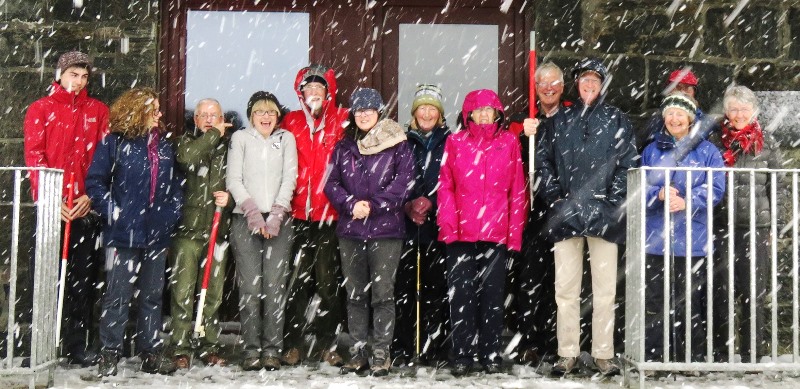 Members shrugged off broken-down cars, cancelled flights due to unprecedented snow (Tiree last had a significant episode 25 years ago) and a lost day of fieldwork due to said snowfall, to survey more than 80 archaeological features on the island, many previously unrecorded. Quite an achievement in just four working days.
The survey was a true ‘multi-agency’ endeavour. ACFA worked closely with the islanders themselves, Dr Heather James of Northlight Heritage, and Norse and medieval experts Dr Colleen Batey and Dr David Caldwell. The pooling of resources included an Archaeology Week which coincided with the island’s annual celebration of all things healthy – a half-marathon, a lecture evening in the village hall, and a ceilidh.
The ACFA Tiree survey was prompted by local doctor John Holliday who has, over many years, collected more than 180 place-names of Norse origin. This suggests that the Norse presence on the island was substantial and long-lasting. However, to date there has been little archaeological evidence to support this thesis. One of the aims of the ACFA survey was to begin the process of identifying and tentatively dating medieval and pre-improvement settlement evidence on the island.
There have been several attempts to identify medieval – and in particular Norse – settlements on Tiree in the past. However, these have been hampered by severe sand-blow. Many small townships seen on a 1768 Argyll Estate map, for example, have disappeared and the ephemeral nature of pre-improvement Tiree houses also leads to problems of identification without archaeological excavation. This might equally be said of cottar dwellings of the later period. So not an easy task!
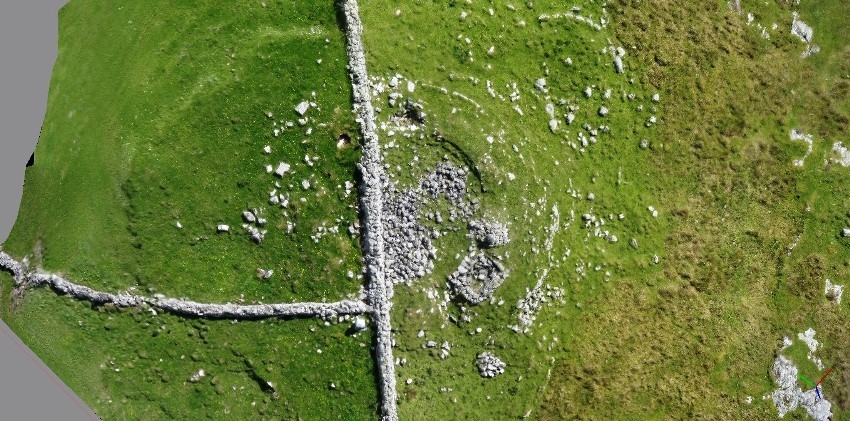
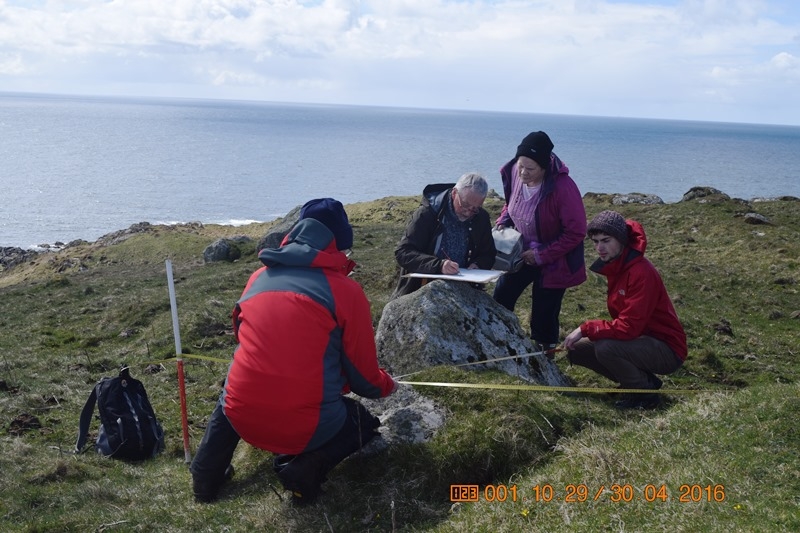
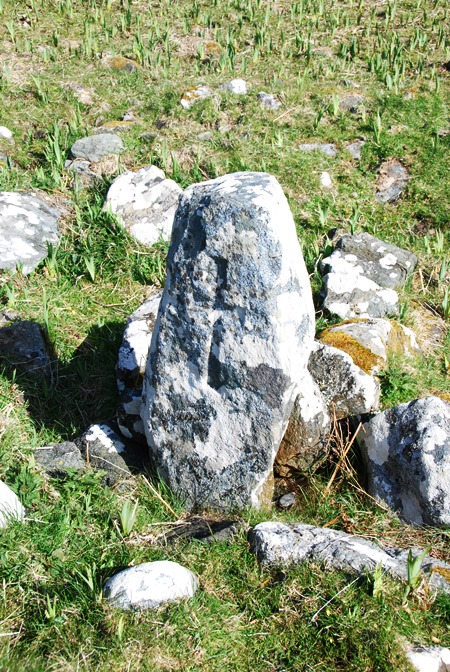
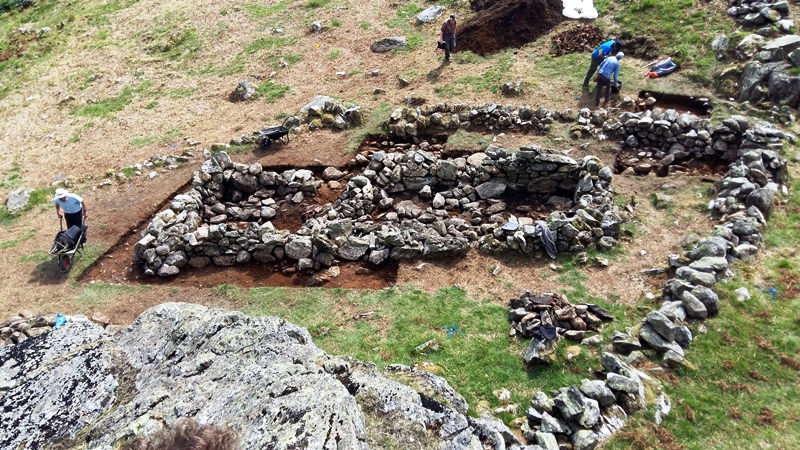
Among the highlights of the ACFA survey was a complex and significant multi-period landscape on the bluff headland Hynish, to the south of the island. A team, led by Dugald MacInnes, surveyed an impressive 42 features, many previously unrecorded. These included a possible stone circle, one, possibly two, putative robbed-out kerbed cairns, several round huts and several small farmsteads and houses, some with enclosures. The exact relationship of these latter features to a complicated system of field boundaries of various periods and nearby Dun Shiader (‘fort of the shieling’ in Norse) will scratch many heads during future visits.
At Loch Dubh a’ Gharraidh Fail, Balephetrish, near the spectacular Ringing Stone, Wendy Raine’s group worked on a dwelling that had been noted on Canmore as a church or possible Norse house. The house in its present form has now been tentatively identified by Batey and Caldwell as dating from after the Norse period. The jury is out as to whether it is medieval or later. It is hoped future test-pitting at the site will assist with assigning a date which can then be used as a template for other, similar house sites on the island.
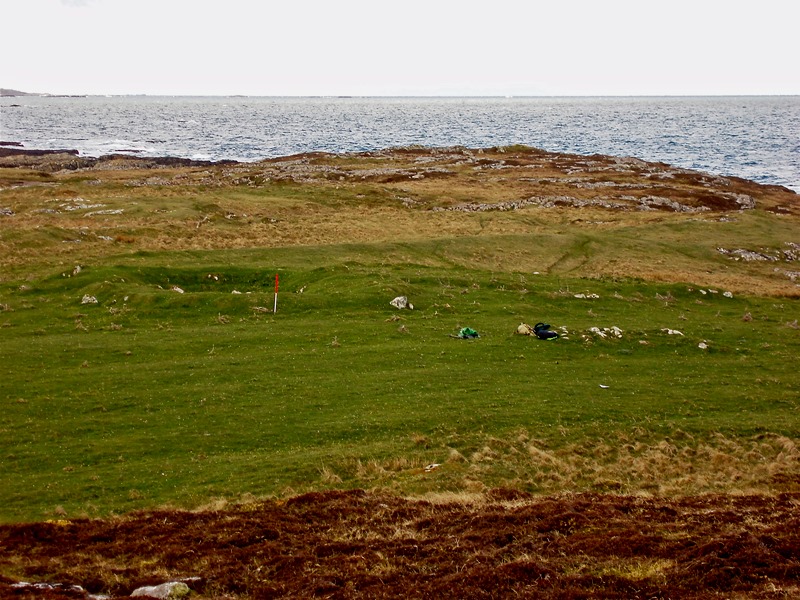
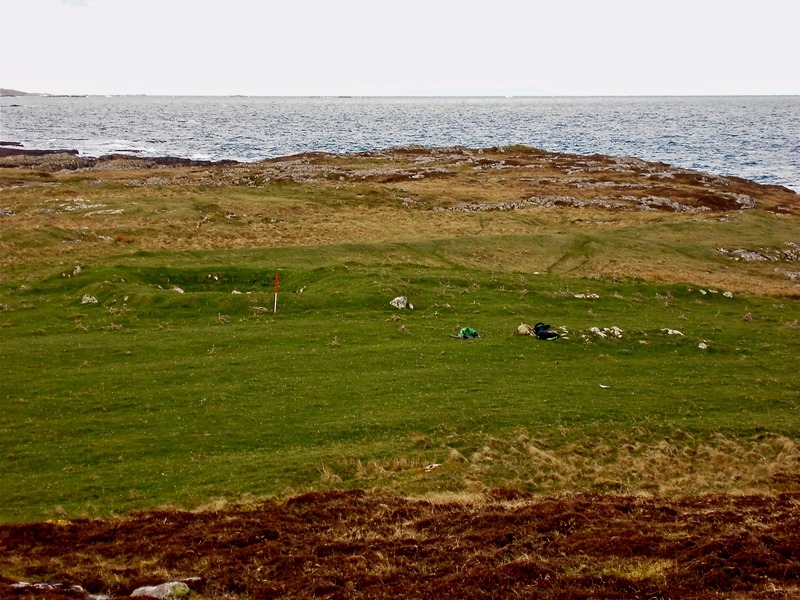
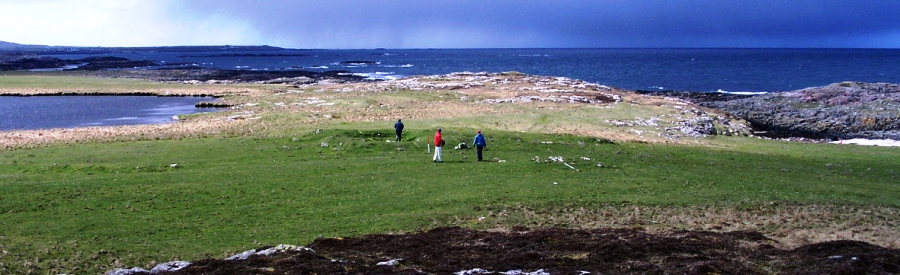
At Ceann a’ Mhara, which occupies a commanding position over-looking Loch a’ Phuill and Balephuil beach, Ian Marshall, Fred Hay and Ollie Rusk recorded two possible medieval houses. One of these was listed as an ancient dwelling on Canmore and having seen the drawing, Dr Caldwell has confirmed he is happy to assign a medieval date. If this is the case, it will be one of the first identified medieval dwellings on Tiree.
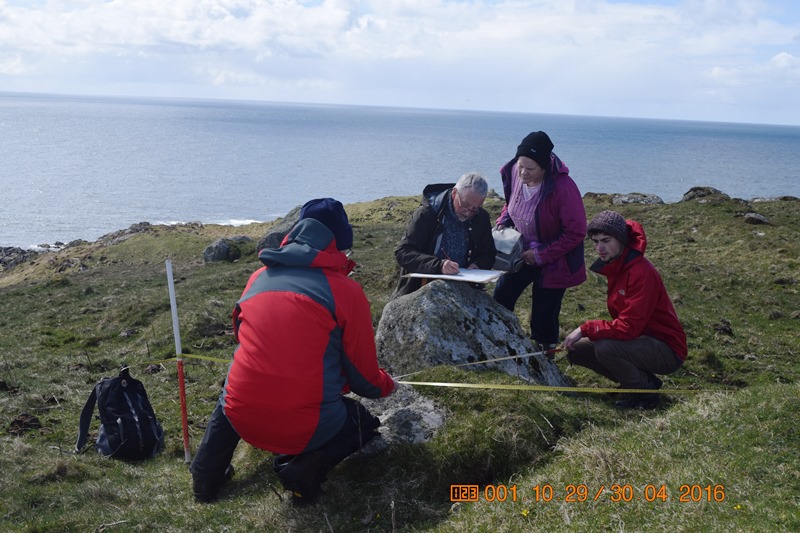
The survey at Kilkenneth, on the face of it, was less ground-breaking – a cluster of farmsteads and buildings, several of which are recorded as roofed in first edition OS maps. However, this exercise will contribute greatly to our understanding of island house styles over time – and the effects of sand and erosion on such features. Janet MacDonald’s team also threw up an interesting conundrum – the Tiree triangular enclosure. Triangular – rather than rectangular enclosures – seem to be a feature on the island. A longhouse drawn by Ian Marshall at Hough and certainly earlier than 1768 because it does not appear on estate maps, has a similar triangular enclosure. If any members have come across this elsewhere in the Hebrides, it would be useful to hear from them. Until then, a romantic might suggest that this is a cultural tic – an echo of sacred, Norse triangular enclosures. Hmm.
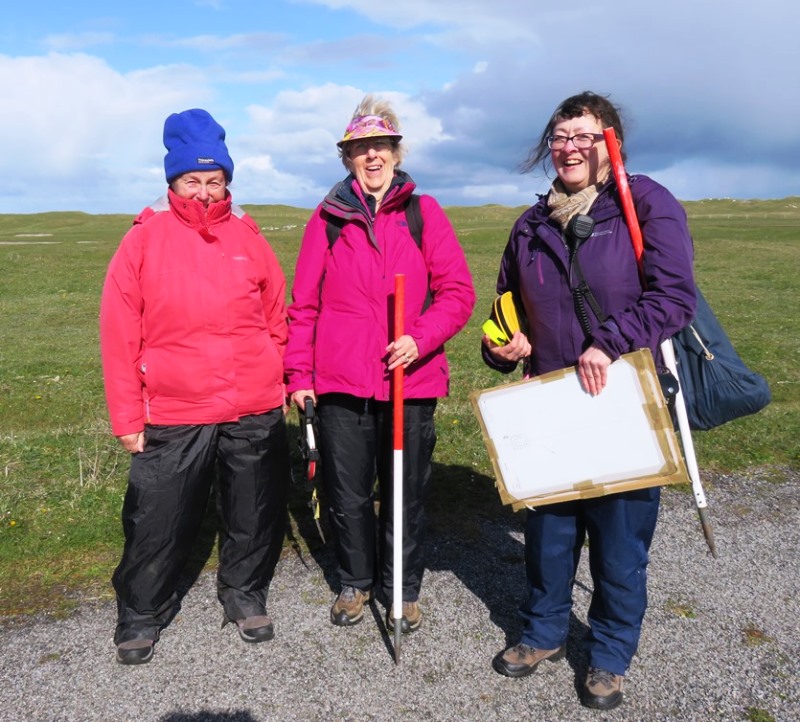
Other notable finds were the identification by Frances Hood of a beautiful ‘knocking’ or grinding stone carved out of Tiree marble which she remembered from past visits to the island on holiday. The object has lain partially buried at the front of a house in Caolas.
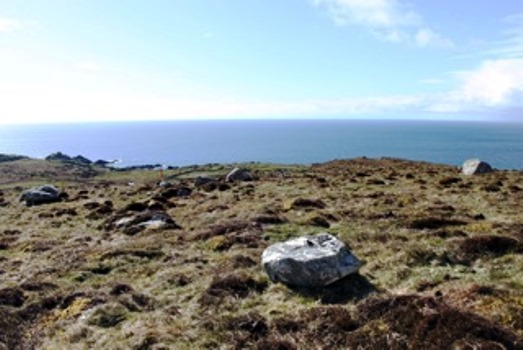
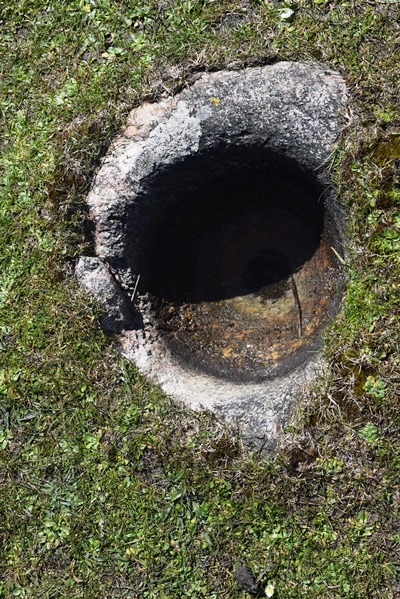
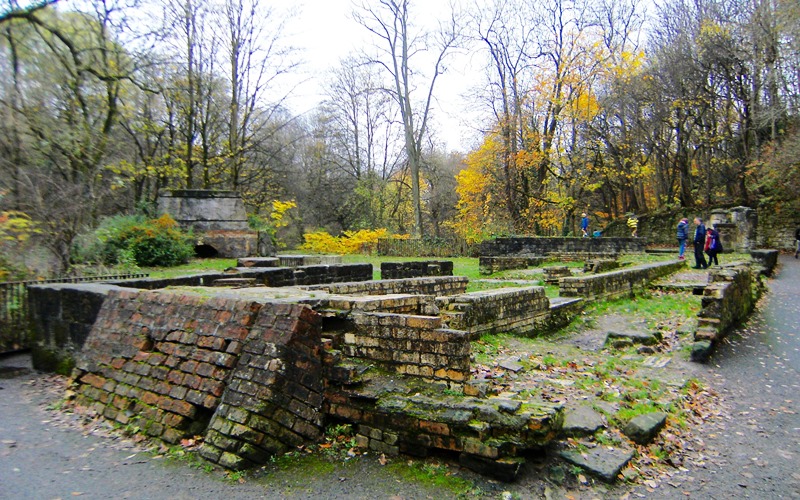
The remains of North Woodside Flint Mill were surveyed in November 2015 by Scott Wood, Elaine Black and Elizabeth Bryson. The water-powered mill has had various configurations and functions and operated off and on for over 200 years. It was excavated (no finds), demolished, restored and consolidated by the Corporation of Glasgow in the 1970s but time (and the mountain bikers) has taken its toll and some of the walls are deteriorating rapidly. It is hoped that some work may be able to be done to consolidate what is left.
Report now published. See Publications
During Acfa’s week on Tiree in April, many present were privileged to experience a demonstration and a presentation of a photogrammetric and acoustic study of a ‘Ringing Stone’ near Vaul, by Dr Stuart Jeffrey of the Digital Design Studio at Glasgow School of Art.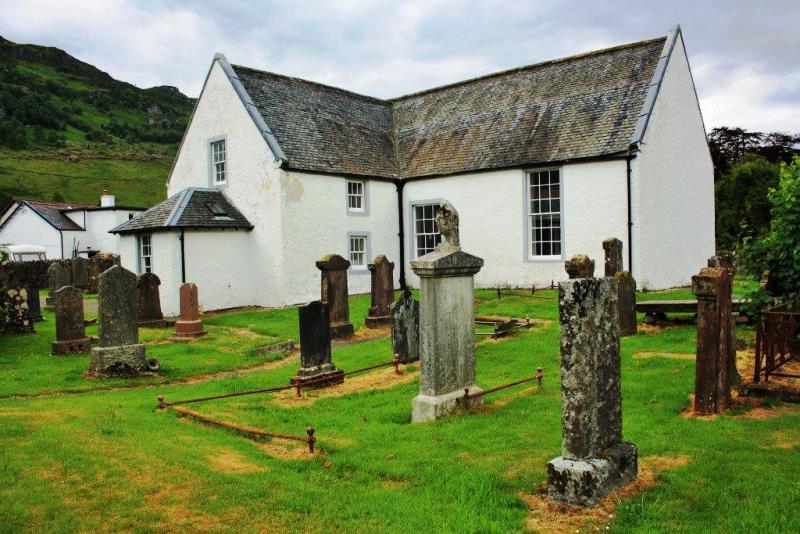
Photogrammetry and RTI (Reflective Transformation Imaging) as possible tools for enhancing publication quality and understanding of sites and structures has interested some of us for a number of years. They allow astonishing 3D manipulatable and enhanced images of structures and sites.
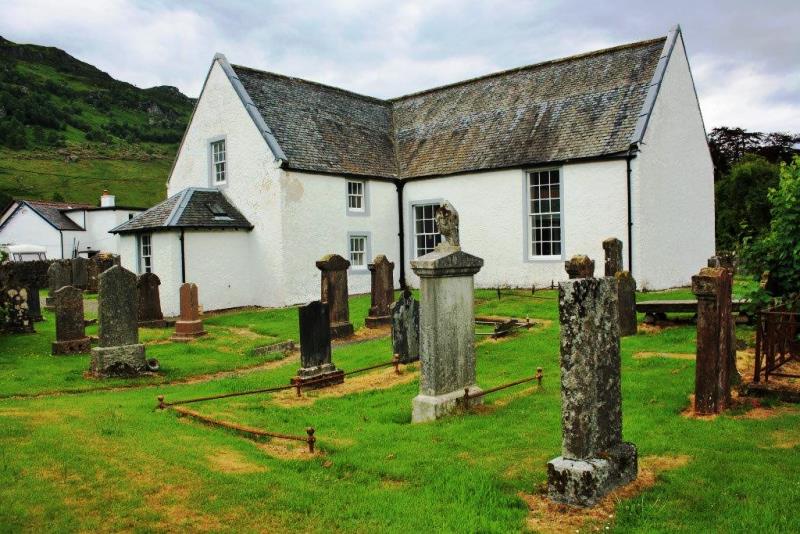
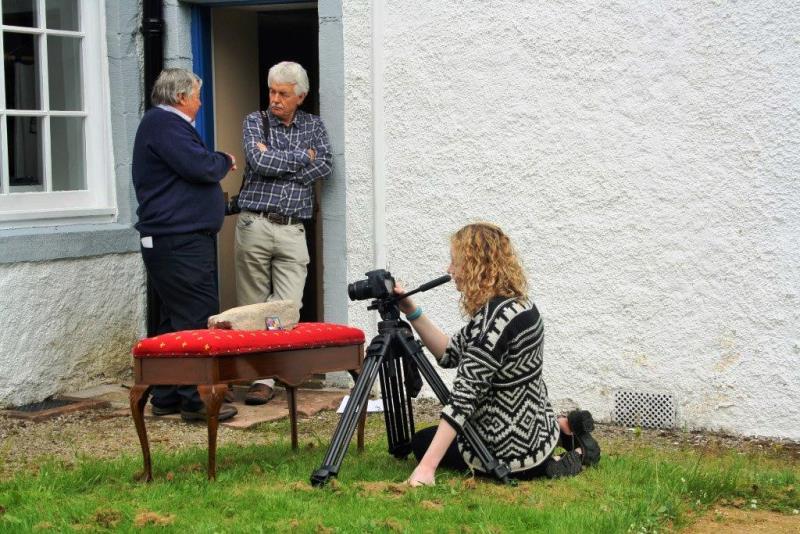
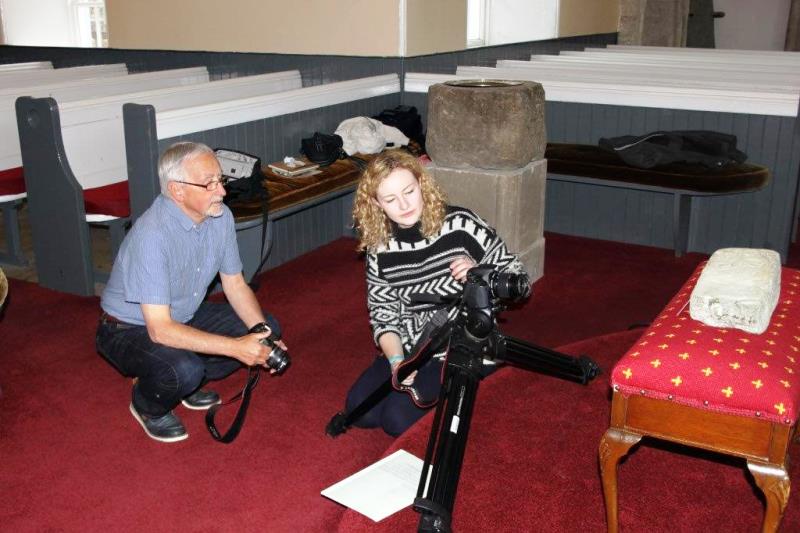
One of Dr Jeffrey’s Masters students, Rachel McCrae contacted us to enquire if there was any interest in assisting her with a study of three of the Ogham inscriptions and Dugie and I seized the opportunity to join her at the Church of the Three Brethren at Lochgoilhead on the 14th June for a photogrammetry exercise.
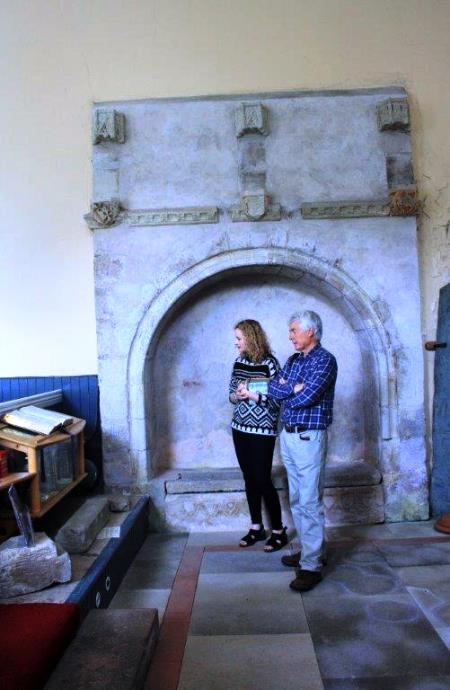
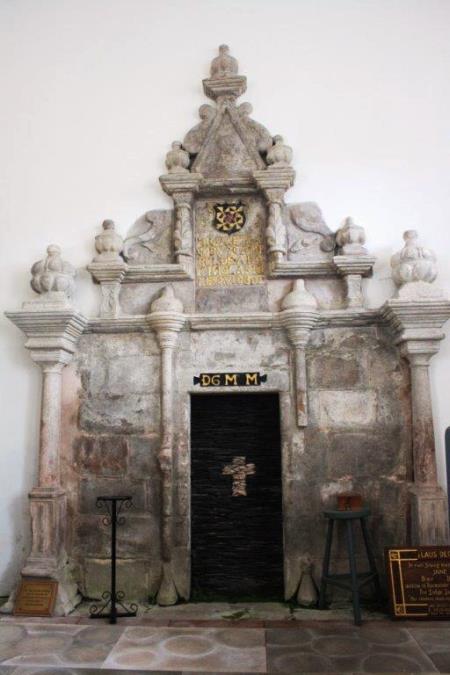
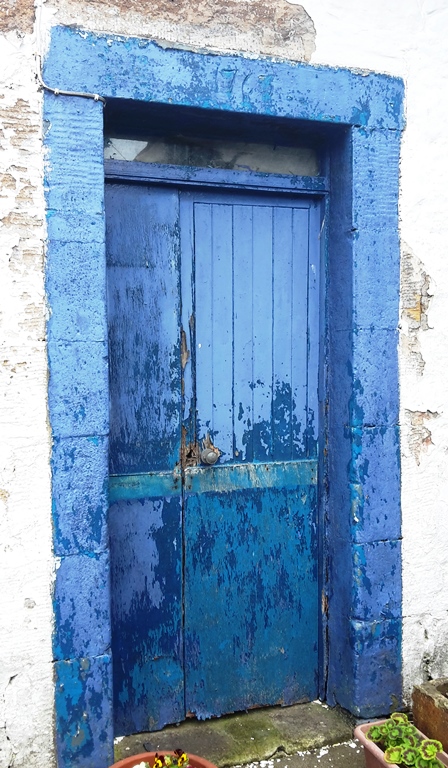
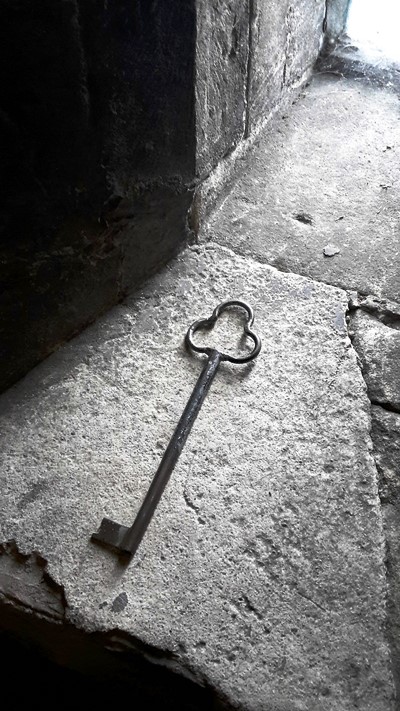
The church, unknown to us both, is a gem of interest, with a magnificent Late Renaissance door formerly accessing the mausoleum of the Campbells of Ardkinglass
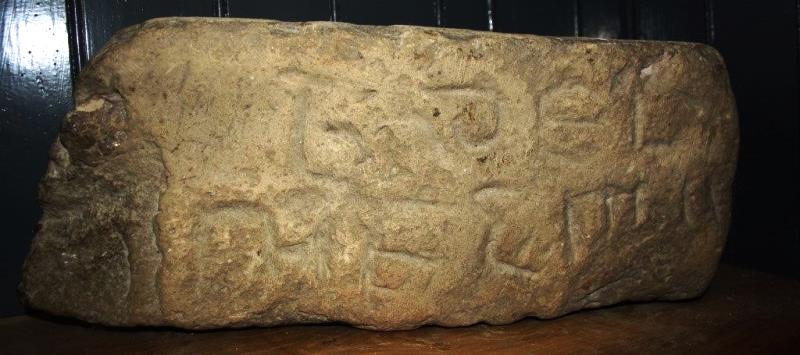
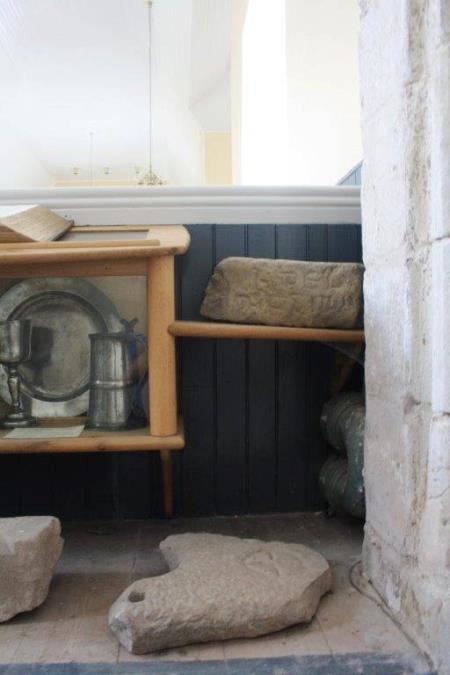
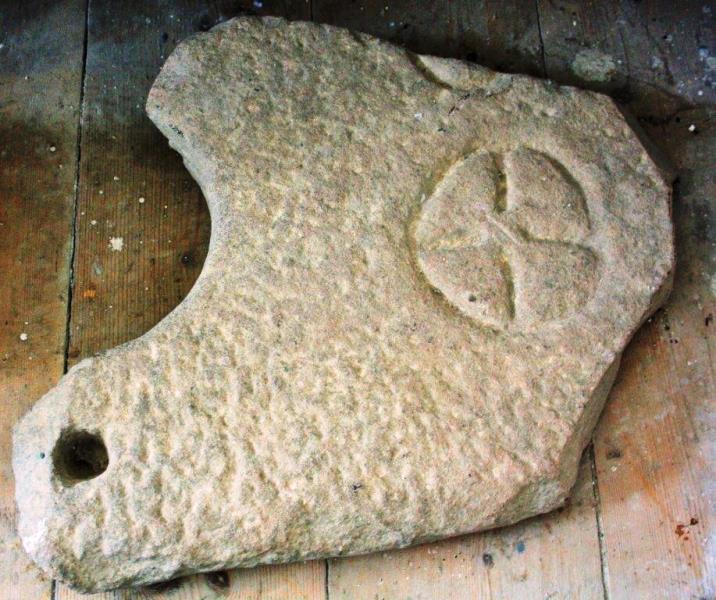
It also has a number of enigmatic sculptured fragments hinting at earlier medieval phases at the site, including an arresting monolith of bewildering symbols and motifs and a block of sandstone, with eight crudely carved random letters of the roman alphabet on the front face and an undeciphered ogham inscription along the edge.
Thanks to the consent and assistance of the congregation and the local church warden, we were granted access to some happy hours of recording and studying this fragment.
Libby and Margaret are meeting with Rachel at Perth Museum on Friday, to pursue this research on the Inchyra Stone ogham.
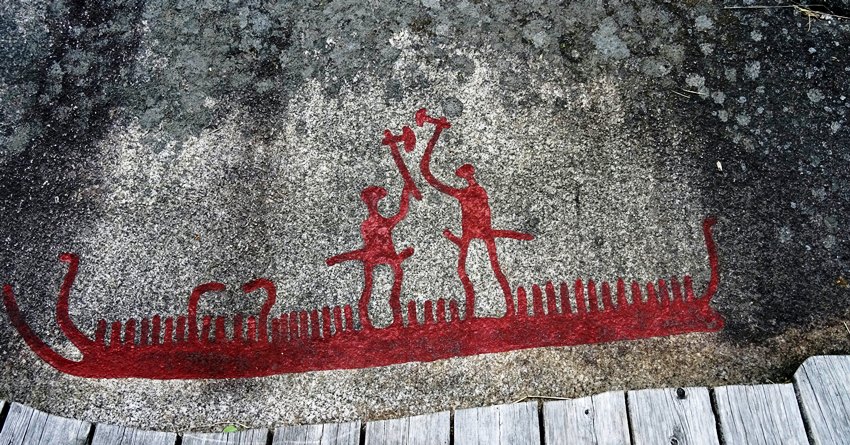
This technology is now widely available with free software downloads and is used and employed by both professional and amateur groups – Dugie and I are talking of trying it out on such sites as the rock art in Glenlochay and perhaps an over ambitious assault on the Auld Wives Lifts on Craigmaddy Moor. Ian Marshall
More photographs can be seen in the Gallery section.
The new body representing Scotland’s historic environment formed form the amalgamation of Historic Scotland and the Royal Commission on Ancient and Historic Monuments, Historic Environment Scotland, has marked a significant milestone with the publication of their first corporate plan. The plan and full information about HES can be found at their new website.
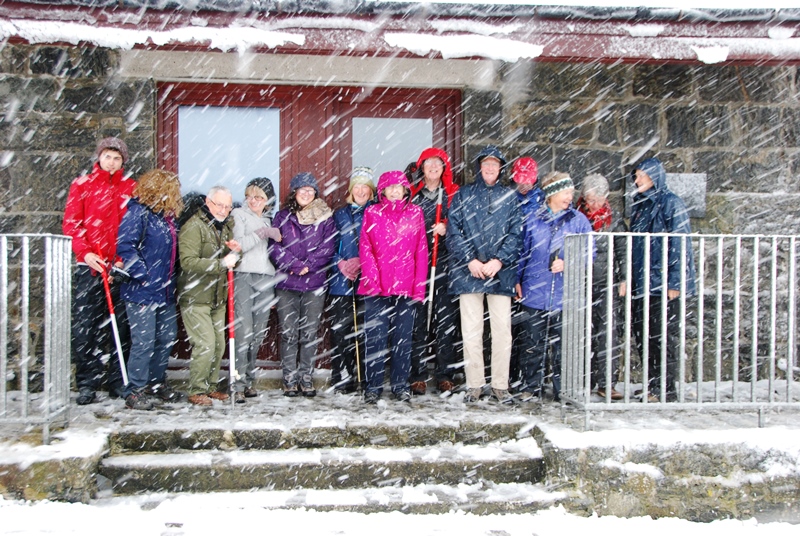
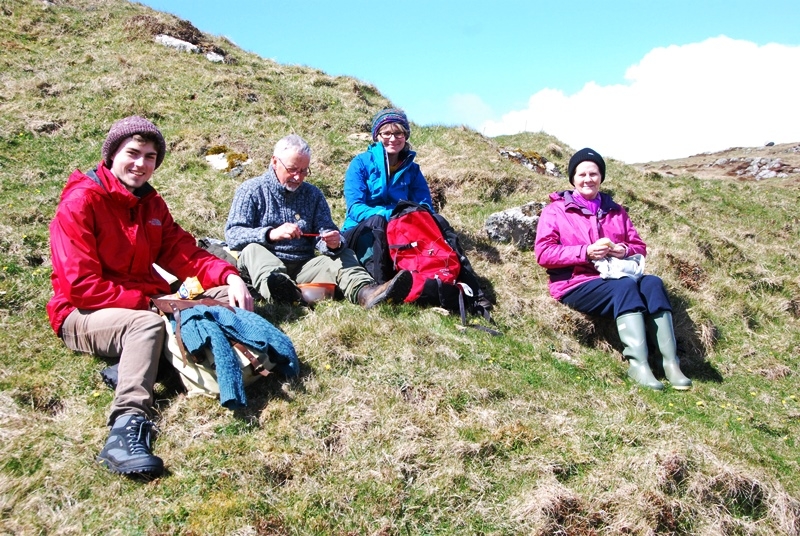
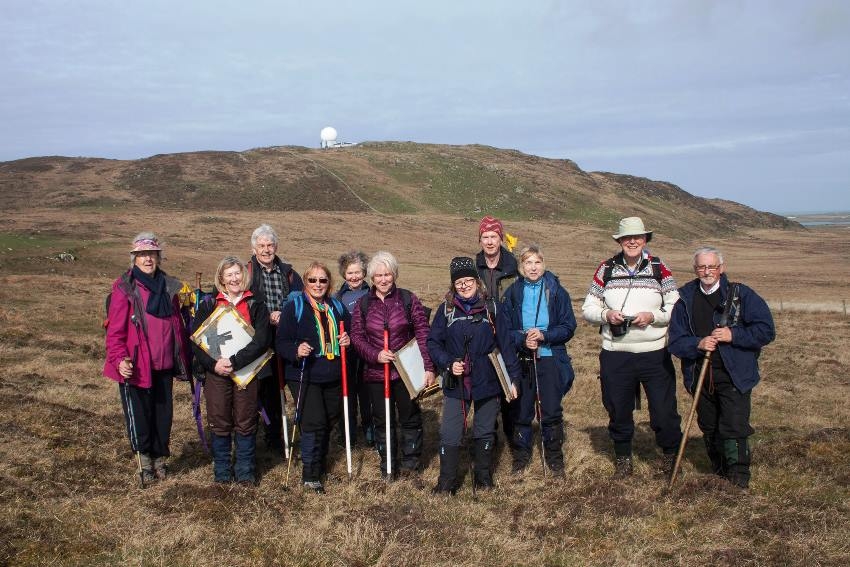
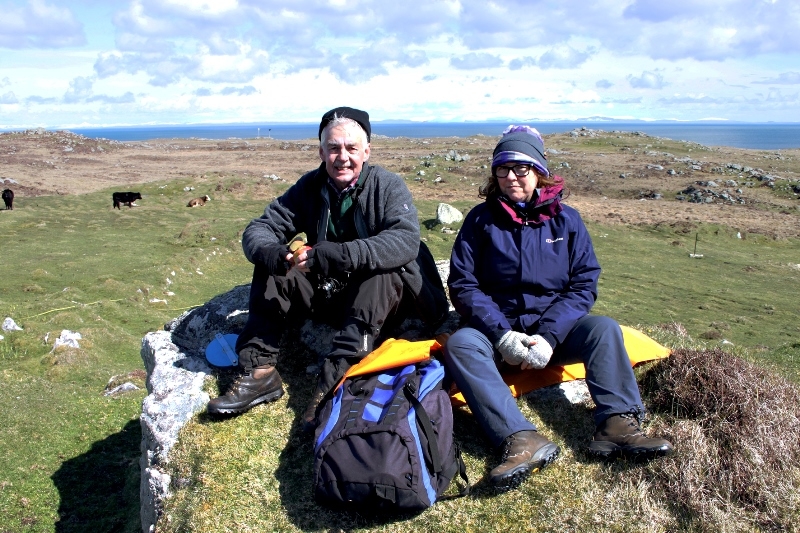
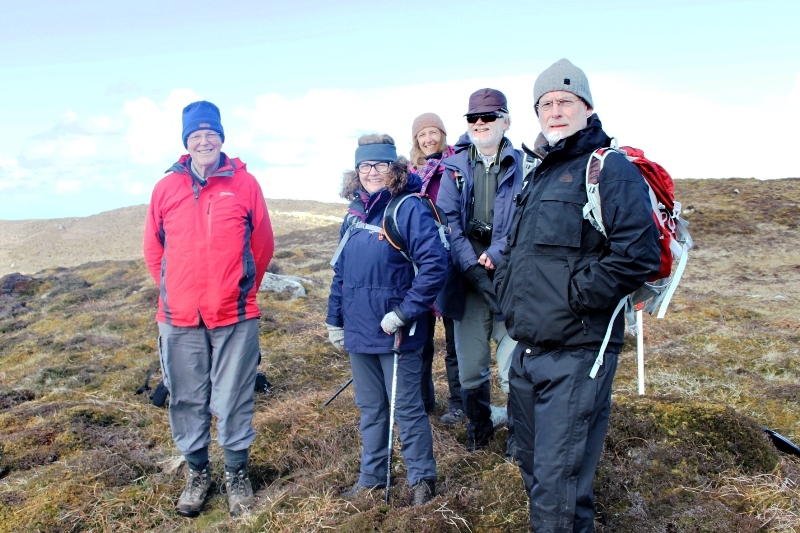
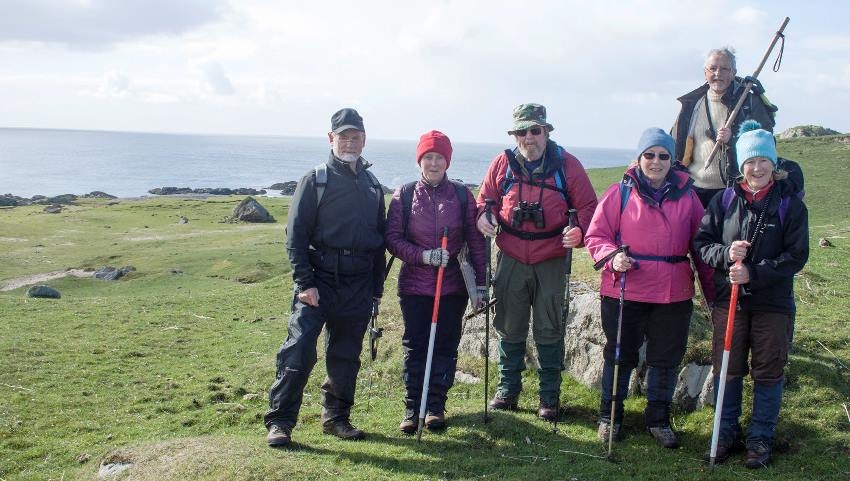
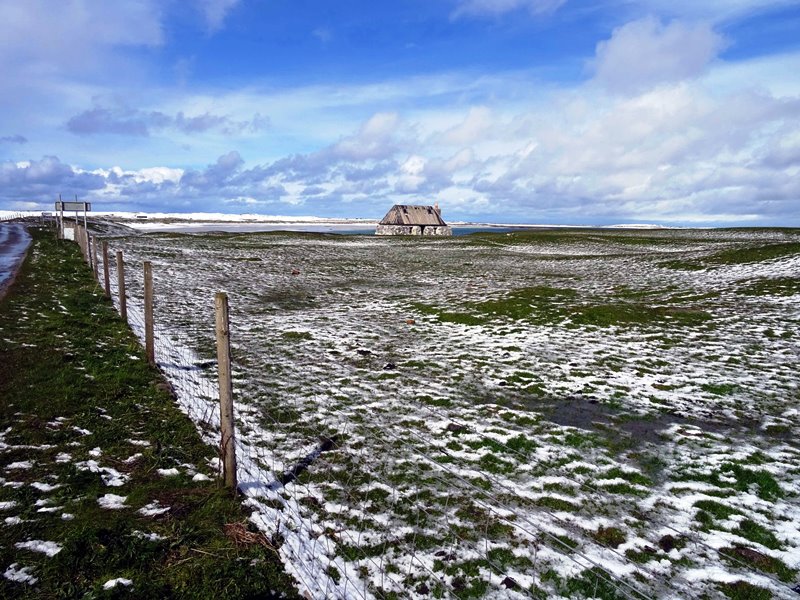
At the end of April a group of ACFA members travelled to Tiree to spend a week on a new project inspired by research carried out on the island by local doctor John Holliday. The intention was to look for settlement evidence from the Norse and Medieval periods. With the enthusiastic involvement of a number of locals a large number of surveys were carried out, despite losing a day to snow, such an unusual occurance that Tiree airport had had its snow plough removed some years ago.
More information about the results of the survey can be found in the Survey section.
This year’s annual photography competition has been launched and organiser Sue Bryson is urging all ACFA members to get involved. Got any interesting photos from the recent Tiree trip or planning a visit to an archaeological site over the summer? Remember to pack you camera and keep the competition in mind. Full details can be found in the Members’ Area.
Volunteers who took an interest in the Scotland’s Coastal Heritage at Risk Project are being invited to attend a conference in St Andrews to showcase the range and quality of work that volunteers have undertaken across Scotland as part of the project. The conference is to be held on weekend of the 18th and 19th of June and is also intended as an opportunity for volunteers to meet and learn about the work that has been carried out. Full details of the conference can be found here .